Mentorship is one of the most powerful tools nonprofit leaders have to strengthen the sector. It transforms experience into guidance, challenges into wisdom and success into shared momentum. Strong nonprofits are not built in isolation. They grow stronger when leaders share experience, insight and hard-earned wisdom. At this stage of my career, mentorship has become one of the most meaningful ways I can serve beyond my organization and in the community as a whole.
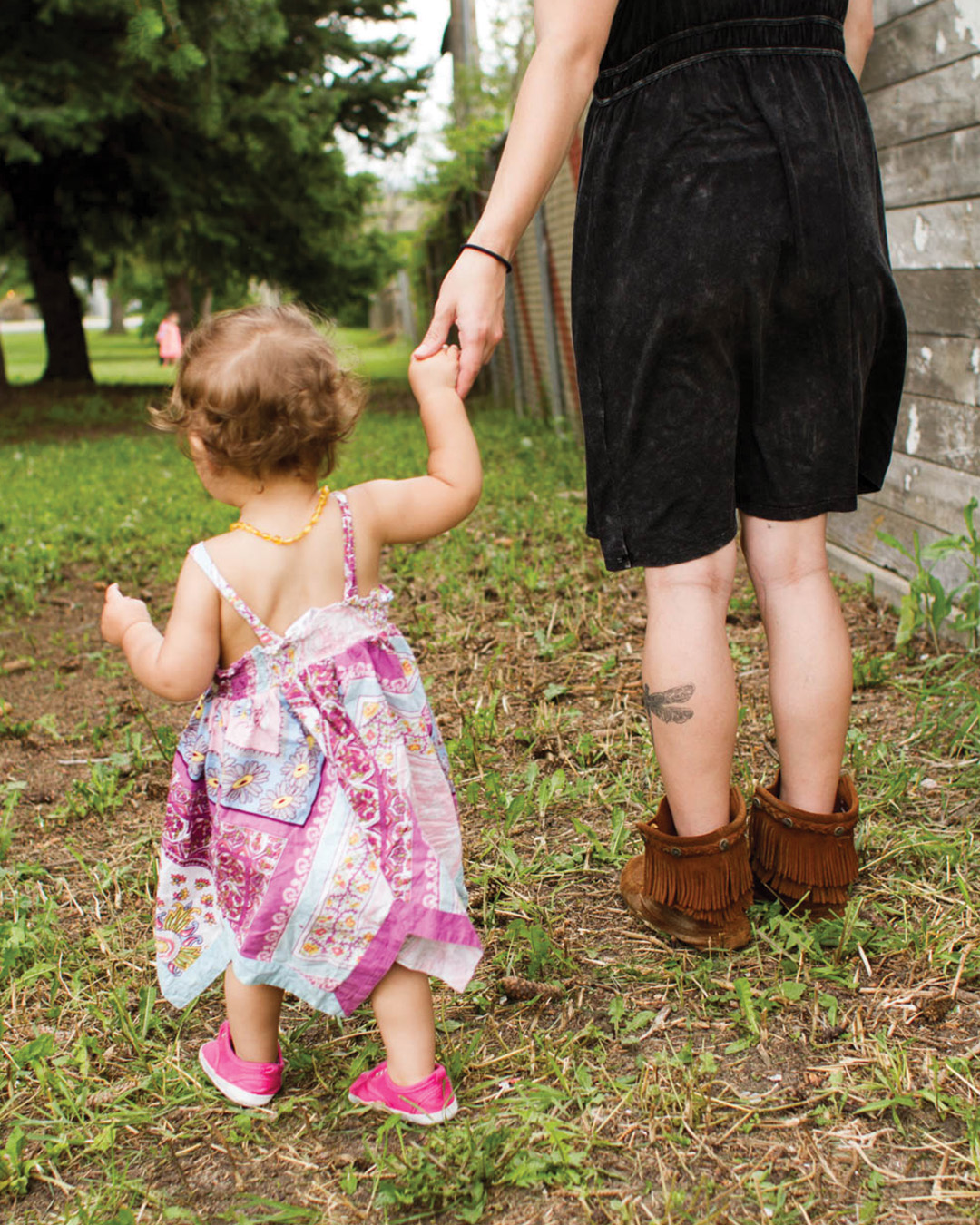
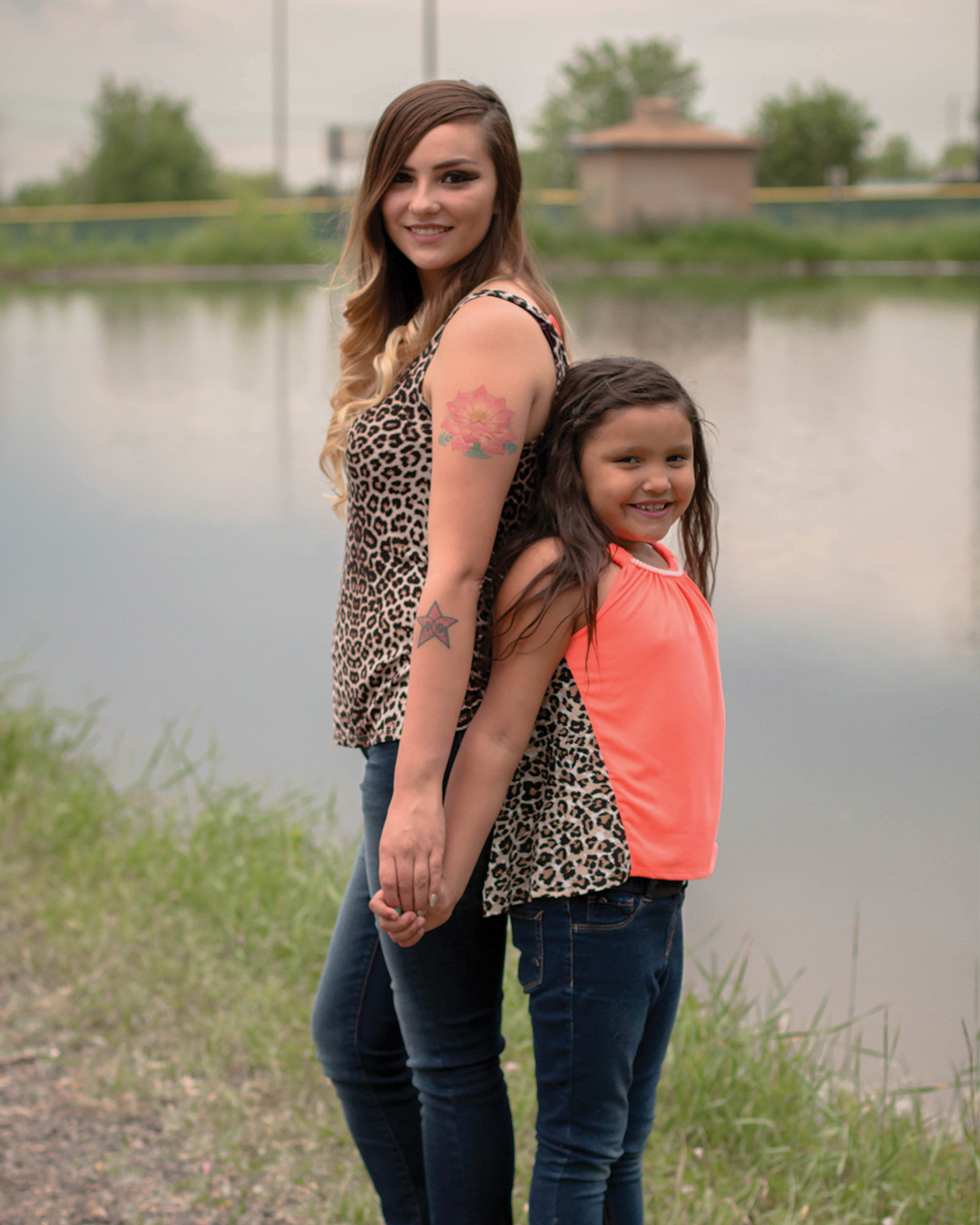
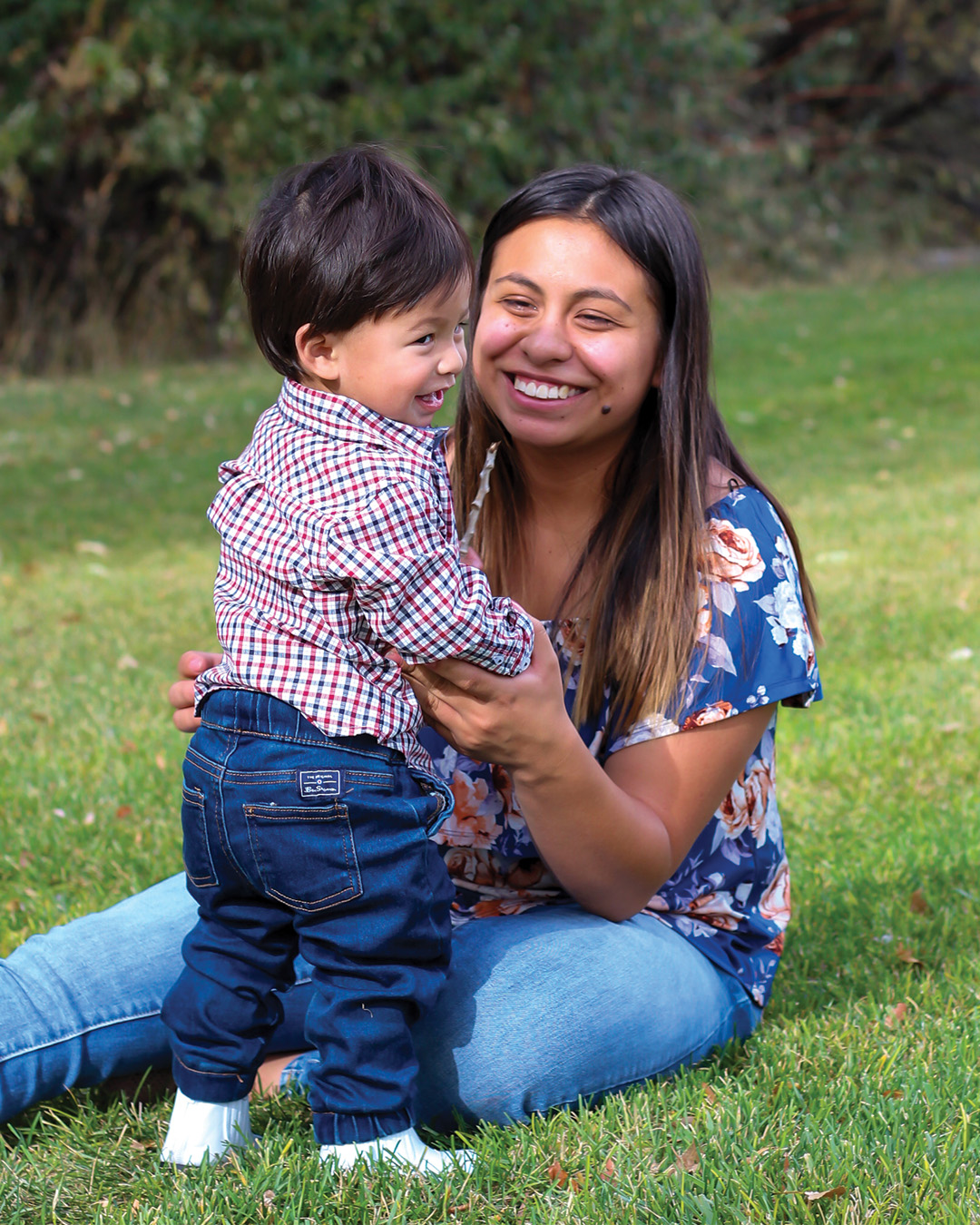
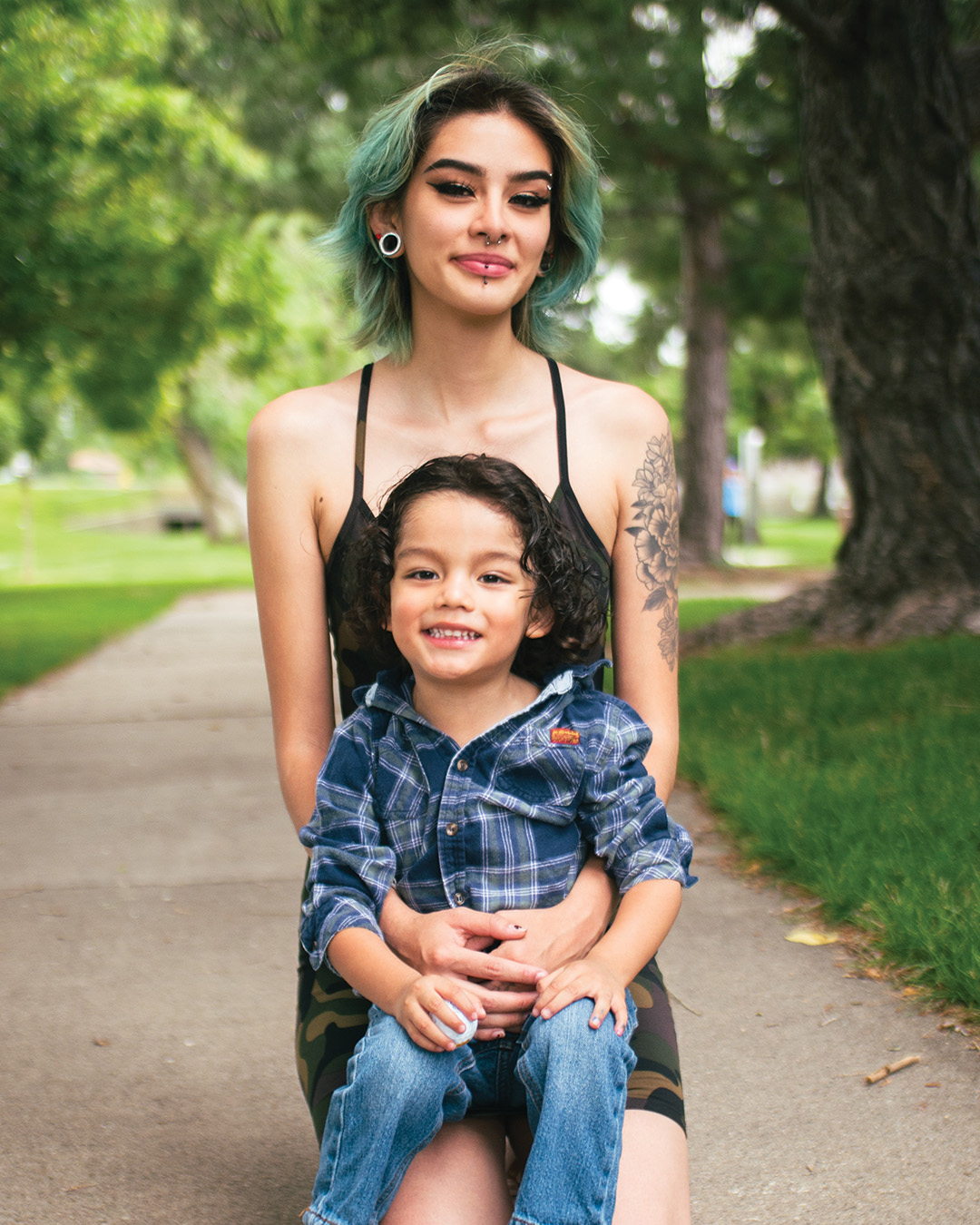
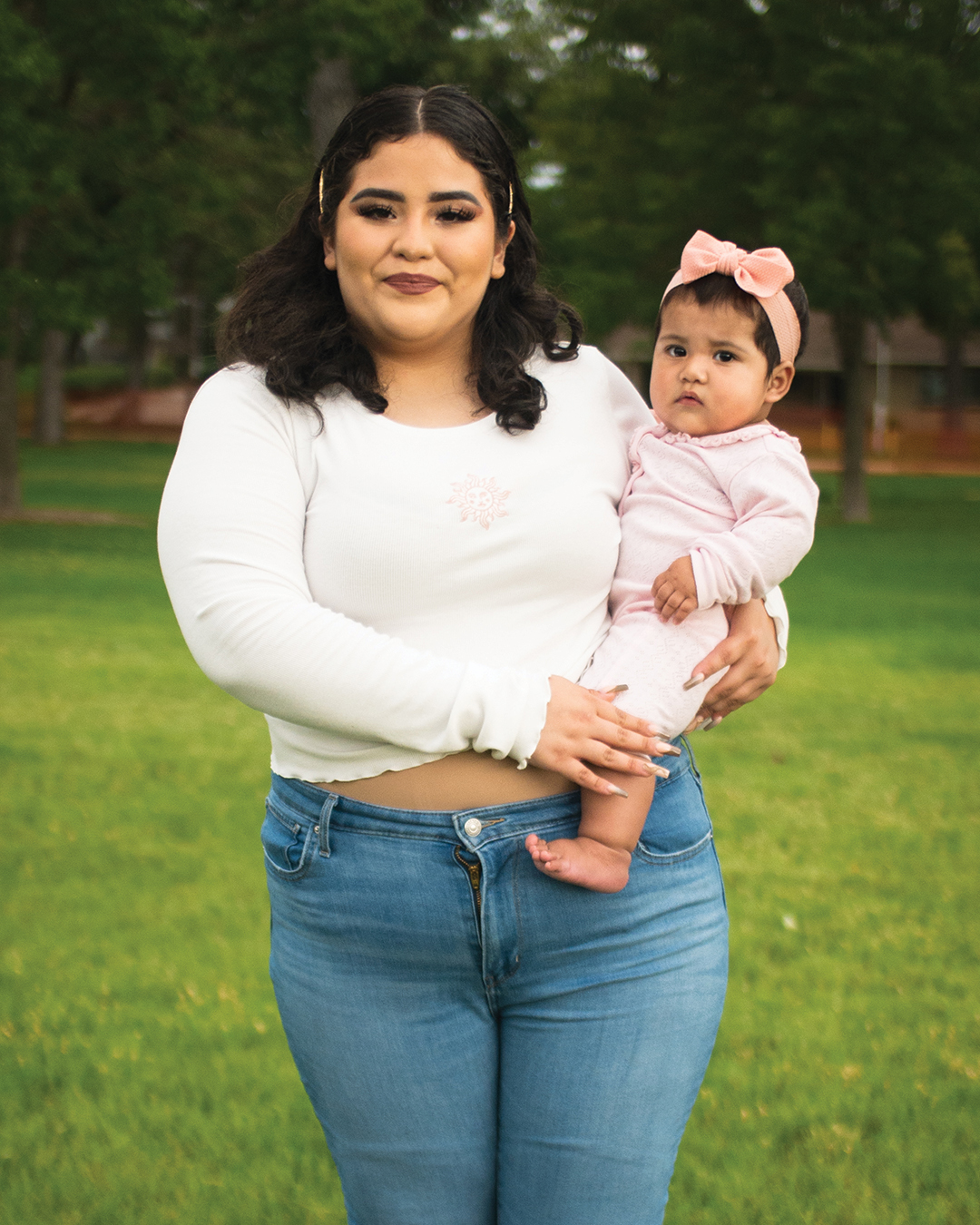
I work for Hope House Colorado, a nonprofit dedicated to serving teen moms and their kids. If the knowledge I have gained can help a nonprofit anywhere else – in this city, in this country or in any other country – there is no reason to withhold what I have learned.
For 14 years, I have informally mentored others in the nonprofit sector, sometimes over coffee, sometimes by welcoming leaders into my office. Supporting other organizations as they pursue their fundraising goals is part of our mission. It ensures that more organizations are equipped to serve well. Our approach is rooted in an abundance mindset rather than scarcity. If we have knowledge or experience that can benefit another organization, we should share it. We are equally willing to share our mistakes so others can avoid pitfalls that hinder effective service. That philosophy differs from many for-profit businesses that guard information to protect competitive advantage.
For us, this perspective is grounded in faith. Psalm 50:10-12 reminds us that “God owns the cattle on a thousand hills,” reflecting the belief that everything ultimately belongs to God and that He will provide what is needed.
An abundance mindset does not mean irresponsible spending. On the contrary, we are careful stewards of the resources entrusted to us. As one donor said “I’m rowing the boat as hard and fast as I can, and God is blessing our work.” That balance, diligent effort paired with trust, shapes how we lead and give.
At the core of effective fundraising is transformational giving. Understanding why someone gives, making personal phone calls and inviting donors to tour our center are essential practices for building lasting relationships. Fundraising is not transactional; it is rooted in stewardship, trust and long-term partnership. When donors feel known and valued, their giving becomes more than a contribution; it is an investment in shared impact.
In mentoring, I share practical strategies such as event planning and direct mail to monthly giving programs and how to anticipate operational challenges. Stabilizing income, sustaining programs and strengthening long-term financial health require intentional systems and consistent relationship building. Knowing your audience is critical. Demographics shape communication and engagement strategies. Older donors may prefer to give by check or through donor-advised funds, while younger generations are more responsive to digital methods. Studying past income streams helps project future growth. Each year, we review trends and look two to three years ahead, recognizing that strategic planning cannot focus on a single budget cycle.
Donor retention remains one of the sector’s greatest challenges. Organizations can lose up to half of their donors each year, requiring constant attention to replacement and engagement. Events, when thoughtfully designed, can introduce new audiences to the mission and provide entry points for deeper involvement. But events are complex and costly. Without a clearly defined purpose they can consume resources rather than expand support.
I share these key takeaways not because we have mastered every aspect of the work, but because experience has clarified what to prioritize and what to avoid. If what we have learned can help another organization grow stronger and serve more people, sharing that knowledge is part of the work, and that work is too important for nonprofits to navigate without mentorship and community.
by Lisa Schlarbaum